Gold retreated $47 per ounce at Monday’s opening bell, settling at $4,768 after geopolitical relief following the Strait of Hormuz ceasefire. For the physical jewellery market across the Gulf, India, and East Asia, the reaction was barely a tremor. Retail demand for gold jewellery has remained structurally elevated throughout 2026, driven by wedding seasons, cultural gifting traditions, and a growing awareness of gold as wearable wealth preservation.
The World Gold Council classifies jewellery consumption as the single largest driver of global gold demand, ahead of both investment and industrial uses. Saudi Arabia, UAE, India, China, and Turkey are consistently among the world’s top five gold jewellery consuming nations. With gold up more than 39% year-on-year, many consumers in these markets have accelerated purchases, buying now before prices move further out of reach.
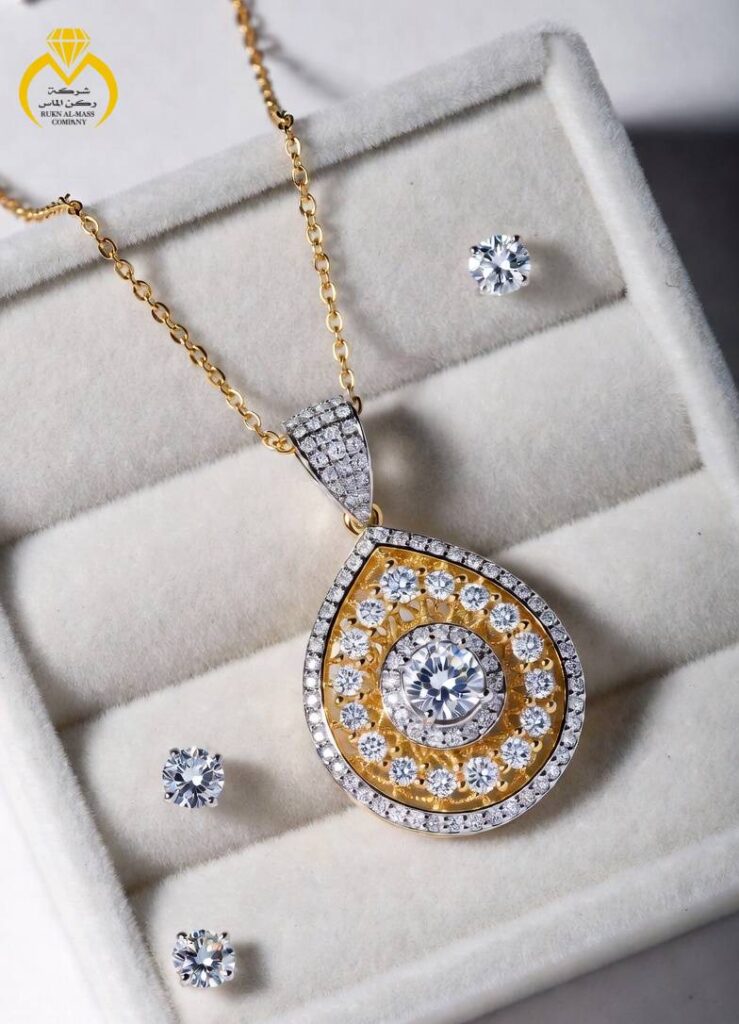
The 22-karat standard remains the preferred choice for diamond-set jewellery across the Arab world, striking a balance between gold purity and the structural hardness required to secure gemstones. Today’s 22K price stands at $140.44 per gram. Gulf buyers in particular continue to favour high-quality certified diamonds set in yellow gold — a preference that has intensified as confidence in tangible assets has grown throughout this year’s volatile markets.
UAE gold souks reported elevated foot traffic through last week as prices held firm near $4,800. Industry observers expect any near-term price dip to be met with increased buying, as local consumers and investors treat corrections as entry points rather than warnings.
Today’s prices: 24K — $153.20/gram | 22K — $140.44/gram | 18K — $114.90/gram All prices USD. Indicative only — subject to market fluctuation.