The single most significant development for the gold market this Monday June 8 is not the oil price, not the jobs data hangover, and not even the strike on Iran’s Mahshahr petrochemical facility itself. It is what the strike reveals about the relationship between Washington and Tel Aviv — and what that fracture means for the peace process that gold’s recovery depends on.
Trump reportedly told Netanyahu last week, in a phone call described by media as heated, to refrain from further attacks on Iran. The purpose was clear: every Israeli strike on Iran triggers Iranian retaliation, which extends the conflict, which delays the Hormuz reopening, which keeps oil elevated, which keeps inflation high, which keeps the Federal Reserve in hawkish territory, which suppresses gold. Trump understood this chain. He told Netanyahu to stop.
Netanyahu struck anyway. Israel hit the Mahshahr petrochemical complex in southwestern Iran — the first attack on an Iranian energy site since the April 8 ceasefire — plus military targets in western and central Iran. A provincial official told Iran’s semi-official Fars news agency that parts of the complex were damaged. Iran immediately began assessing its retaliatory options.
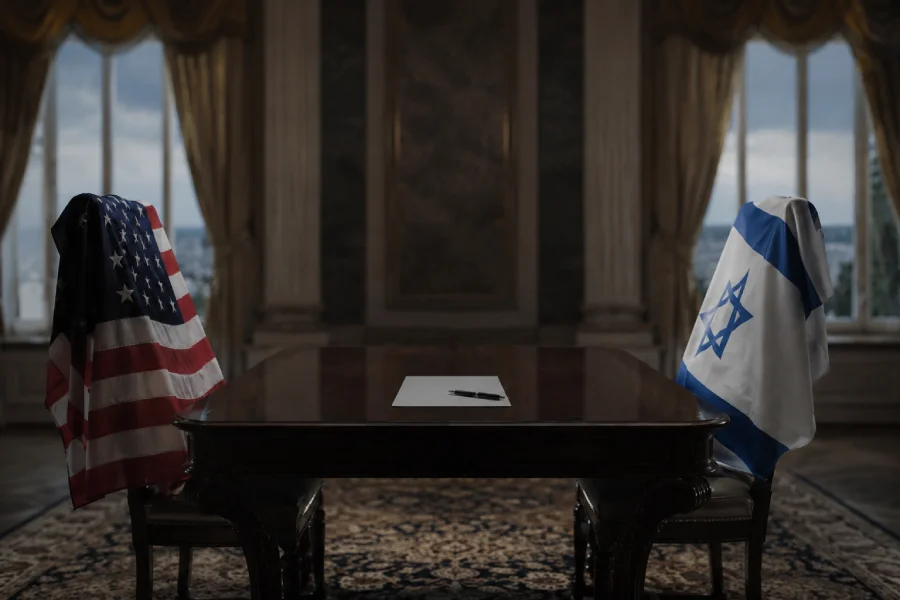
Trump’s response was revealing. Hours after the strike he stated publicly that Netanyahu “doesn’t call the shots” and that the Israeli strikes would not affect his peace talks with Tehran. This is extraordinary language from a US president about the Israeli prime minister — a public signal that the United States and Israel are not operating from a unified position on the pace and scope of the conflict. Iran, reading this signal, will distinguish between Israeli actions and American intentions. Whether that distinction helps or hinders the peace process is the central diplomatic question of the week.
For Gulf gold buyers, this fracture is actually a more nuanced signal than it appears. If Trump is genuinely distancing himself from Israel’s escalation and maintaining the peace framework with Iran independently, the Hormuz reopening path survives even the Mahshahr strike. Oil already up 4.47% to $97.15 this morning means inflation pressures are rising again. But if the fracture deepens and Iran retaliates against American targets rather than just Israeli ones, the conflict widens and the peace framework collapses entirely.
Gold at $4,340 this morning is pricing the uncertainty between these two outcomes.